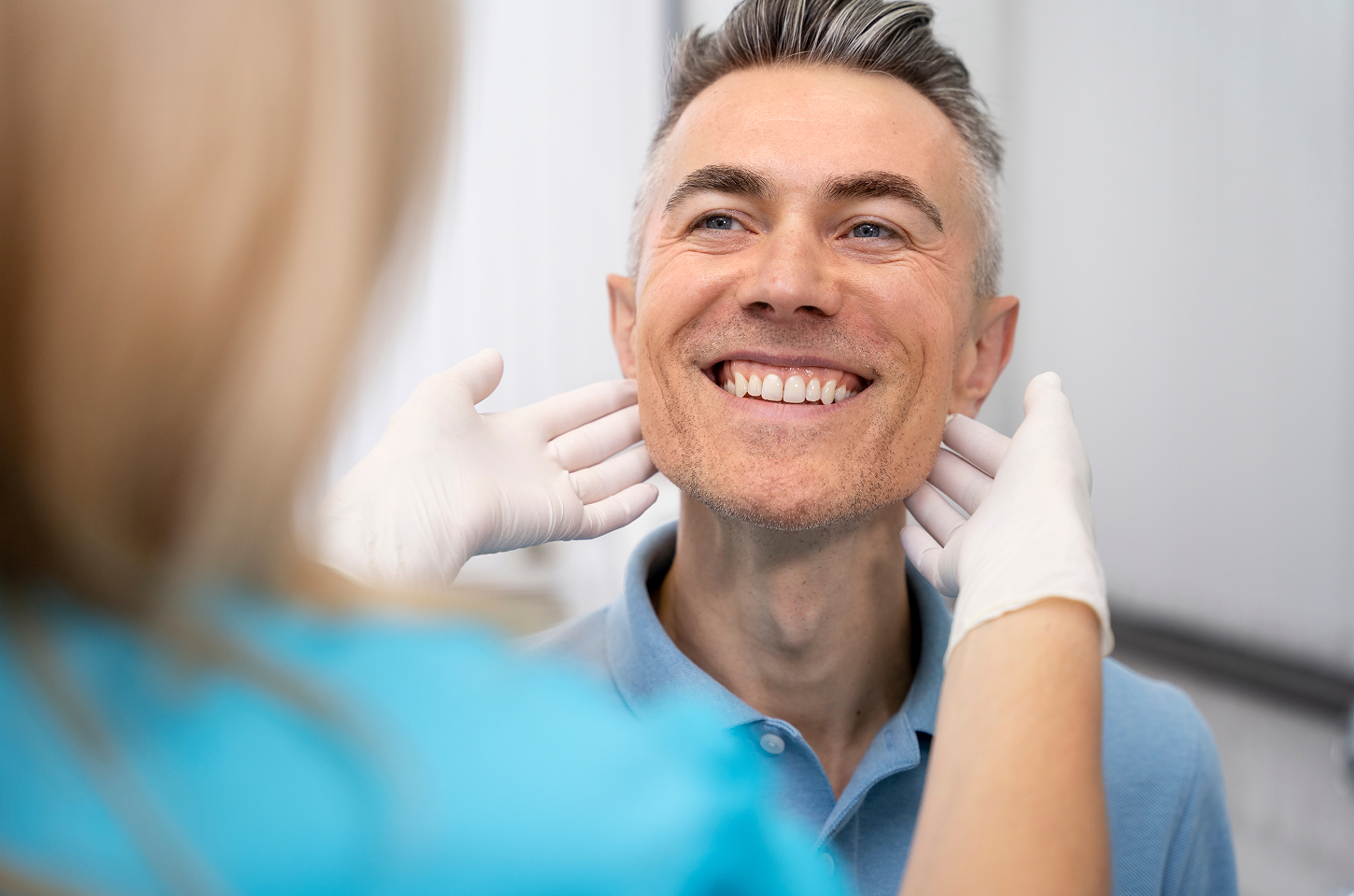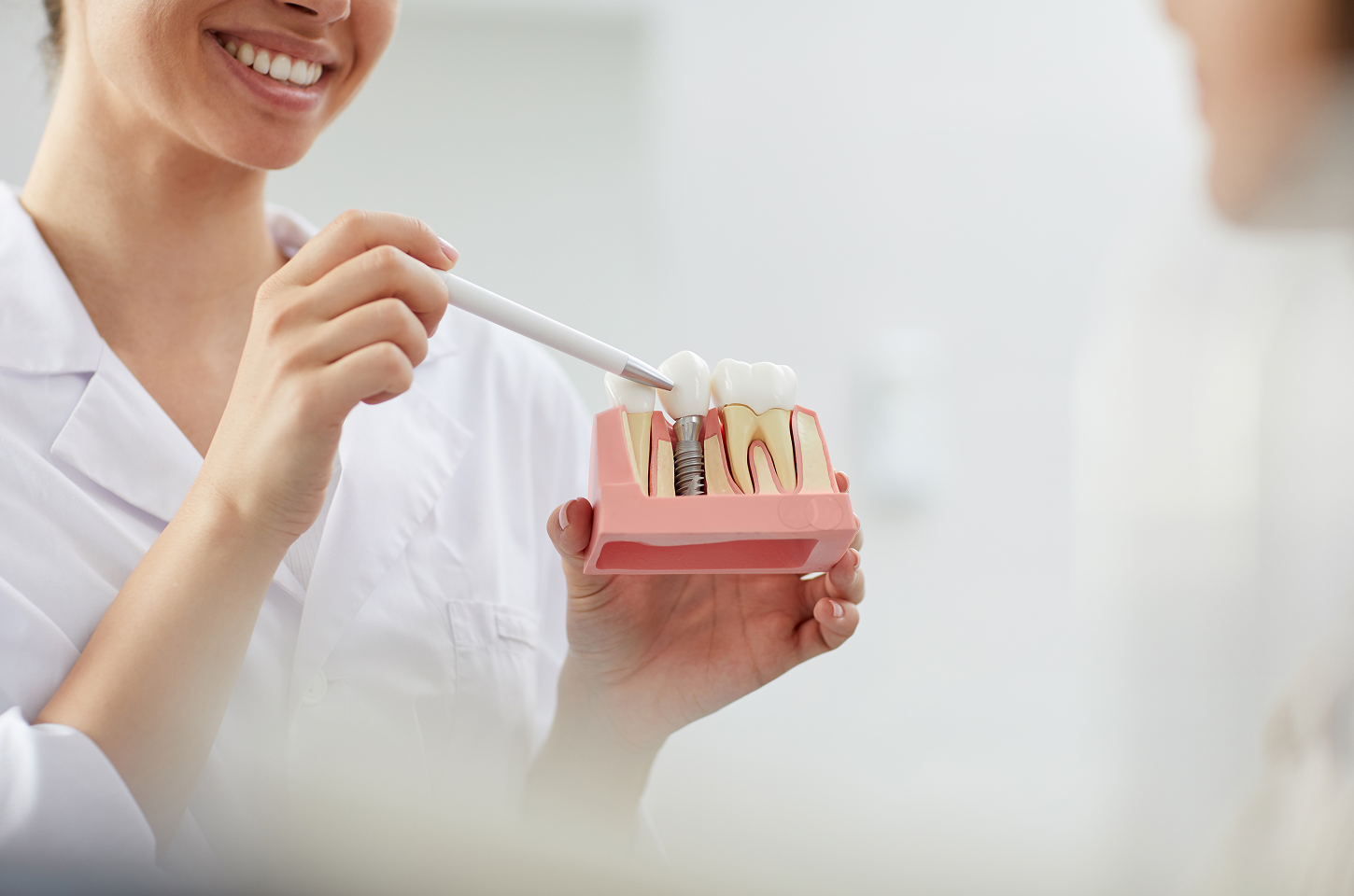
For residents of Gorham, Westbrook, and Windham who have made the significant investment in dental implants, a beautiful, functional smile is the rewarding result. However, the journey toward a lifetime of success doesn’t end when the final crown is placed. The most crucial phase—long-term maintenance—begins. A common and dangerous misconception is that because implants are made of titanium and ceramic, they are immune to problems. This guide focuses on the essential, proactive care required to protect your investment. We will demystify peri-implant disease, the primary threat to implant longevity, and provide you with a clear, actionable plan for daily hygiene and professional maintenance. By understanding and implementing these practices, you can ensure your implants remain a healthy, stable part of your smile for decades to come.
Think of your new implant like a precision-engineered sports car. The initial purchase and setup (the surgery and placement) are complete. To keep it performing flawlessly for years, it requires dedicated, regular maintenance—specific cleaning techniques and scheduled professional check-ups. For your implant, this means transitioning from a post-operative patient to an informed, active partner in your oral health. This guide will equip you with the knowledge to be that partner, working seamlessly with your Gorham dental team to prevent problems and catch any issues at their earliest, most treatable stage.
Key Takeaways (TL;DR)
Peri-implant disease is the main threat to implants, starting with reversible gum inflammation (mucositis) and potentially progressing to bone-destroying peri-implantitis. It is often painless in early stages.
While implants cannot get cavities, they are highly susceptible to plaque at the gumline. Impeccable daily hygiene with implant-specific tools (soft brushes, interdental cleaners) is non-negotiable.
Smoking is the single greatest modifiable risk factor for implant failure, drastically increasing the risk of disease by compromising healing and the immune response.
Professional cleanings every 3-6 months at your Gorham dentist are essential. These visits use specialized instruments to clean without scratching the implant and allow for early detection of problems.
Long-term success is a shared responsibility. Consistent, proactive care protects your financial investment and preserves your oral health for the long haul.
Beyond the Healing Phase: The Transition to Lifetime Care
Congratulations! The surgical healing and recovery period is complete, and your final, beautiful restoration is in place. Your implant has successfully osseointegrated—fused with your jawbone—and is now a functional part of your smile. At this point, your role importantly shifts. You are no longer simply a patient healing from a procedure; you become the primary day-to-day steward of your implant’s long-term health. The goal is no longer about recovering from surgery but about maintaining a stable, healthy “ecosystem” of gum tissue and bone around the implant. This lifelong commitment to meticulous care is what transforms a successful implant procedure into a successful, decades-long outcome for patients in Gorham and Standish.
Understanding Peri-Implant Disease: Mucositis vs. Peri-Implantitis
The greatest threat to the long-term survival of a dental implant isn’t wear and tear; it’s a silent inflammatory condition called peri-implant disease. This condition exists on a spectrum, and understanding the two key stages is crucial for prevention and early action.
| Stage | What It Is | Key Characteristics | Reversibility |
|---|---|---|---|
| Peri-Implant Mucositis | Inflammation of the soft gum tissues surrounding the implant. | Gums appear red, swollen, and bleed easily when probed. No bone loss is present at this stage. | Fully Reversible with improved professional and home care. |
| Peri-Implantitis | An advanced inflammatory process affecting both soft tissues and supporting bone. | In addition to gum inflammation, there is progressive loss of the jawbone that supports the implant. May involve pus, deepening pockets, and eventual implant loosening. | Not Fully Reversible. Treatment aims to halt progression and manage the condition; lost bone is difficult to regenerate. |
The disease process begins when bacterial plaque biofilm accumulates at the delicate junction where the implant crown, abutment, and gum meet. This biofilm triggers the body’s inflammatory response. If the plaque is not removed regularly and thoroughly, the inflammation becomes chronic. In the mucositis stage, it’s confined to the gums. If left unchecked, the inflammation can destroy the soft tissue seal and then begin to erode the very bone that provides the implant’s stability—this is peri-implantitis. The most critical insight for Gorham patients is that this process can be entirely painless until significant damage has occurred, making consistent monitoring vital.
Your Daily Defense: The At-Home Care Toolkit for Gorham Patients
Preventing peri-implant disease hinges on disrupting the plaque biofilm daily. This requires more than just routine brushing; it demands the right tools and techniques tailored for the unique anatomy of an implant.
- Choose the Right Brush: Use an extra-soft bristle toothbrush or a sensitive-mode electric toothbrush. Avoid medium or hard bristles, which can scratch the implant crown or abutment and create microscopic grooves where bacteria can hide.
- Master “C-Shape” Flossing: Standard flossing isn’t enough. Use implant-specific floss (often thicker and spongier) or a floss threader. Curve the floss into a “C” shape around the base of the implant crown and slide it up and down to clean the entire abutment surface.
- Incorporate Interdental Brushes: These tiny brushes are often more effective than floss for cleaning around the implant neck. Your dentist can recommend the correct size to fit the space between your implant and adjacent teeth without forcing.
- Consider Adjunctive Rinses: A prescription or over-the-counter low-alcohol antimicrobial mouthwash (like chlorhexidine or essential oil rinses) can help reduce bacterial load, but should complement—not replace—mechanical cleaning.
For patients in Gorham and Windham, integrating these steps into a morning and evening routine makes them sustainable. Remember, the goal is to clean all surfaces of the implant restoration just as meticulously as you clean your natural teeth, focusing on the critical margin at the gumline.
The Non-Negotiable Role of Professional Maintenance
Even with perfect home care, professional maintenance is not optional—it’s a critical pillar of implant longevity. These visits to your Gorham dental practice serve two essential functions that you cannot perform at home.
- Specialized Cleaning: Standard metal dental scalers can scratch and roughen the titanium implant surface, making it easier for plaque to adhere. Your hygienist will use plastic, titanium, or carbon-fiber instruments specifically designed to debride implants without damaging them.
- Comprehensive Monitoring: This is the most valuable aspect. Your provider will:
- Measure and track gum pocket depths around the implant.
- Check for bleeding on probing, an early sign of mucositis.
- Take periodic radiographs (X-rays) to monitor bone levels and detect the earliest signs of bone loss long before you’d ever feel a problem.
While natural teeth may be maintained with cleanings every six months, the standard for implants is often more frequent. Many specialists recommend maintenance visits every 3 to 4 months for the first year or two, then tailoring the schedule based on your individual risk assessment. This proactive schedule is a cornerstone of the comprehensive care that ensures your investment is protected.
Risk Factors You Can Control (and Those You Can’t)
Your personal risk for peri-implant disease is influenced by several factors. Understanding these empowers you to focus on what you can change.
| Risk Factor | Level of Control | Impact & Action |
|---|---|---|
| Smoking / Tobacco Use | High | The #1 modifiable risk. Nicotine constricts blood vessels, severely reducing blood flow, healing capacity, and the immune response around the implant. Quitting is the single best thing you can do for your implant’s longevity. |
| Uncontrolled Diabetes | High | Elevated blood sugar impairs the body’s ability to fight infection and heal. Working with your physician to maintain good glycemic control is directly beneficial to your oral health. |
| History of Periodontal (Gum) Disease | Low | If you’ve had gum disease around natural teeth, you have a higher biological susceptibility to inflammatory conditions like peri-implant disease. This makes your impeccable home care and professional maintenance schedule even more critical. |
| Poor Oral Hygiene | High | The primary direct cause of disease. This is entirely within your control through consistent daily cleaning. |
Recognizing Early Warning Signs
Being your own first line of defense means knowing what to look for. If you notice any of the following signs around your implant, contact your Gorham dental practice promptly for an evaluation:
- Bleeding: When brushing, flossing, or even spontaneously.
- Redness & Swelling: The gums around the implant look inflamed or puffy.
- Tenderness or Discomfort: The area feels sore to the touch or when chewing.
- Bad Taste or Odor: A persistent unpleasant taste or smell originating from the implant site.
- Gum Recession: The gums appear to be pulling away, exposing more of the metal abutment.
Remember the “No Pain” Paradox: Peri-implant disease is frequently painless, especially in the early mucositis stage. Do not wait for discomfort to act. Bleeding and visual changes are your body’s early warning signals that should never be ignored.
Building Your Long-Term Care Partnership in Gorham
The long-term success of your dental implant is the result of a true partnership—between you, with your diligent daily care, and your dedicated Gorham dental team, with their professional expertise and monitoring. There is significant value in maintaining continuity with the practice that placed your implant; they have your complete history and a deep understanding of your specific case.
This partnership extends beyond cleanings. It includes open communication about any new health diagnoses, medications, or changes in habits (like smoking) that could affect your implant. By working together, you create a personalized care plan that adapts to your life, ensuring your implants are protected. This consistent, proactive approach is how you safeguard the function, aesthetics, and long-term value of your investment, allowing you to enjoy your confident, healthy smile for a lifetime.
People Also Search For (PASF)
- Can peri-implantitis be cured?
- Best mouthwash for dental implants
- How to clean under an implant-supported denture
- Does dental insurance cover implant maintenance?
- Signs of a failing dental implant