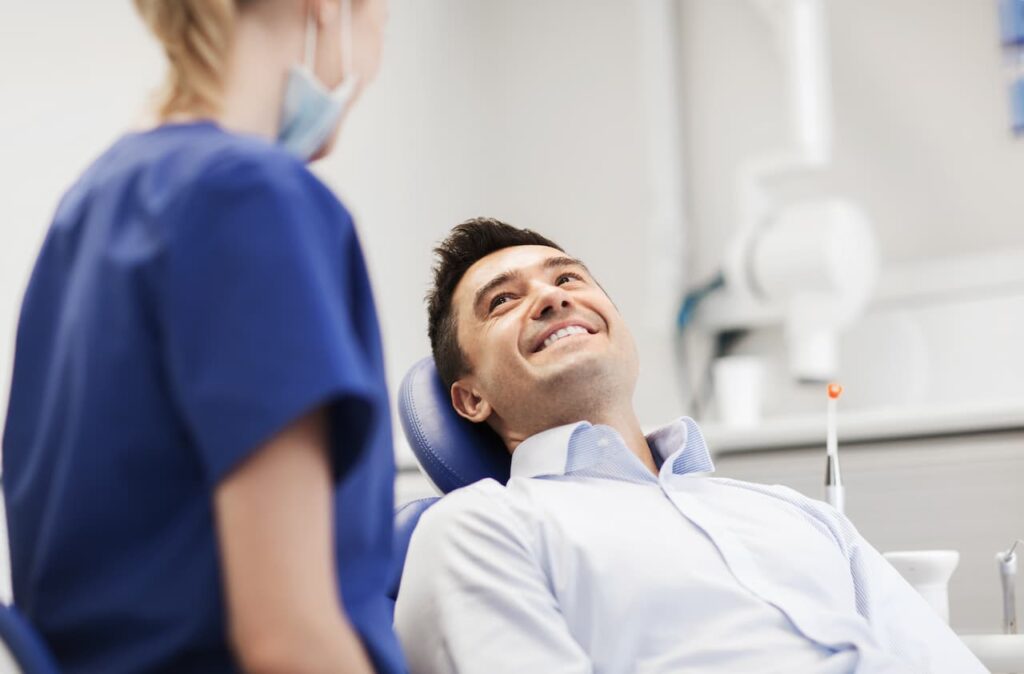
Navigating dental care options can feel overwhelming, especially in a community like Gorham with its unique blend of historic neighborhoods, university life, and surrounding towns. This guide is designed for residents of Gorham, Westbrook, Windham, and nearby areas within an approximate 8-mile radius of Main Street. Our goal is not to promote any single practice, but to provide you with an educational, locally-grounded resource. We’ll explore the spectrum of modern dental services, explain how technology enhances care, outline clear steps for emergencies, and help you understand what comprehensive, patient-centered dentistry looks like for you and your family in Cumberland County.
Table of Contents
Key Takeaways (TL;DR)
- Comprehensive Care is Foundational: A blend of preventive, restorative, and cosmetic dentistry tailored to your long-term health is the standard for Gorham-area families, students, and professionals.
- Technology Enhances Experience & Outcomes: Modern tools like digital scanners, 3D imaging (CBCT), and same-day crowns (CEREC) offer greater comfort, precision, and efficiency for patients in Gorham and surrounding towns.
- Know Your Emergency Steps: For a severe toothache or dental injury, immediate self-care (like rinsing and cold compresses) is crucial, but contacting a local dental provider for prompt professional assessment is essential.
- Care is Grounded in Local Context: Effective dental care considers Gorham’s specific community landscape—from the needs of USM students and families in Windham to the commute considerations for patients in Standish or Buxton.
- Education Informs Better Decisions: Understanding service options, sedation choices for anxiety, and the role of evidence-based guidelines from the ADA and CDC empowers you to be an active participant in your oral health.
What Is Comprehensive Dental Care and Why Does It Matter?
Comprehensive dental care is a coordinated, patient-centered approach that addresses all aspects of your oral health—prevention, diagnosis, treatment, and maintenance—over your lifetime. According to the American Dental Association (ADA), this philosophy is foundational to achieving and sustaining optimal oral health, which is intrinsically linked to overall systemic health. For residents of Gorham, Windham, and surrounding Cumberland County communities, understanding this concept is the first step in making informed decisions about your and your family’s care.
Unlike a reactive model that only addresses problems as they arise, comprehensive care is proactive and personalized. It considers your unique medical history, lifestyle, risk factors, and personal goals to create a tailored plan. This approach is especially valuable in a diverse community like ours, serving everyone from busy families in Westbrook to students at the University of Southern Maine Gorham campus who may be managing care away from home for the first time.
The Three Pillars of Comprehensive Care
1. Preventive & Diagnostic
The goal is to prevent disease before it starts or catch it in its earliest, most treatable stages. This includes routine check-ups, professional cleanings, oral cancer screenings, and diagnostic tools like digital X-rays. The Centers for Disease Control and Prevention (CDC) emphasizes that preventive care is the most effective way to reduce the incidence of cavities and gum disease.
2. Restorative & Therapeutic
When problems occur, this pillar focuses on restoring function, health, and comfort. This encompasses a wide range of services from tooth-colored fillings and root canal therapy to dental crowns, bridges, and implants. Modern restorative dentistry prioritizes materials and techniques that are both durable and natural-looking.
3. Cosmetic & Elective
This aspect focuses on enhancing the appearance of your smile to boost confidence and self-esteem. It includes services like professional teeth whitening, porcelain veneers, and clear aligner therapy (e.g., Invisalign). Cosmetic treatments are often integrated with preventive and restorative plans for a holistic result.
The true value of comprehensive care is its long-term focus. A 2023 review in the Journal of the American Dental Association noted that patients who engage in continuous, comprehensive care experience better oral health outcomes, fewer dental emergencies, and often lower lifetime dental costs. For Gorham-area patients, this means building a consistent partnership with a dental provider who understands your long-term health journey within the context of our local community.
Understanding Common Dental Services Available in Gorham
The landscape of dental services in Gorham and the wider Cumberland County area is diverse, designed to meet the needs of every life stage and oral health condition. From foundational preventive care to advanced restorative and cosmetic procedures, understanding what these services entail helps local residents—whether in Gorham Village, near the USM campus, or commuting from Windham or Standish—navigate their options with clarity.
Preventive & Diagnostic Foundations
Preventive services are the cornerstone of maintaining oral health and avoiding complex treatments. The CDC recommends regular professional cleanings and exams as the most effective strategy against periodontal (gum) disease and tooth decay.
- Routine Exams & Cleanings: Typically recommended every six months, these visits include a thorough examination of teeth, gums, and oral tissues, along with a professional cleaning to remove plaque and tartar that brushing can’t reach.
- Digital X-rays & Oral Cancer Screenings: Low-radiation digital X-rays help diagnose issues between teeth and below the gum line. Annual oral cancer screenings are a critical preventive measure for early detection.
- Fluoride Treatments & Dental Sealants: Especially beneficial for children and adults at higher risk for decay, these treatments provide an extra layer of protection for tooth enamel.
Restorative Services to Repair and Rebuild
When damage or decay occurs, restorative dentistry focuses on repairing function and structure. Modern materials and techniques allow for treatments that are both durable and discreet.
Cosmetic Dentistry for Enhanced Confidence
Cosmetic procedures focus on improving the appearance of the smile. These are often elective but can have a significant impact on self-esteem and social confidence.
- Professional Teeth Whitening: In-office or take-home systems that safely and effectively lighten tooth shade several levels beyond over-the-counter products.
- Porcelain Veneers: Thin, custom-made shells bonded to the front of teeth to correct chips, stains, gaps, or minor misalignments.
- Invisalign Clear Braces: A series of removable, nearly invisible aligners that gradually straighten teeth without metal brackets. Popular among USM students and professionals in Gorham seeking a discreet orthodontic solution.
- Smile Makeovers: A customized combination of cosmetic (and sometimes restorative) procedures designed to comprehensively transform the smile’s appearance.
Specialized & Health-Integrated Treatments
Modern dentistry also addresses conditions that intersect with overall health, offering specialized care paths.
Dental Implants: Considered the gold standard for replacing missing teeth, implants are titanium posts surgically placed in the jawbone to act as roots for crowns, bridges, or dentures. They help preserve bone health and offer a permanent, stable solution.
Gum Disease Treatment (Periodontics): Scaling and root planing (deep cleaning) and other therapies to halt the progression of gingivitis and periodontitis, which are linked to systemic conditions like diabetes and heart disease.
TMJ/TMD Therapy: Treatments for disorders of the jaw joint and muscles, which can cause pain, headaches, and difficulty chewing. This may include oral appliances, physical therapy, or stress management techniques.
Sleep Apnea & Snoring Appliances: Custom-fitted oral devices that reposition the jaw and tongue to keep the airway open during sleep, offering an alternative to CPAP machines for mild to moderate obstructive sleep apnea.
How Can Modern Dental Technology Enhance Your Care Experience?
For patients in Gorham and surrounding communities, modern dental technology translates to more comfortable, efficient, and precise care. Advances in digital tools and materials have revolutionized diagnosis, treatment planning, and procedure execution, moving beyond the one-size-fits-all approach. These technologies are particularly valuable in a community with diverse needs, from families in South Gorham seeking quick, effective visits to professionals in Westbrook looking for minimally disruptive treatments that fit busy schedules.
From Messy Impressions to Digital Precision
The days of uncomfortable, gag-inducing impression trays are largely over. Intraoral scanners now capture highly accurate 3D images of your teeth and gums in minutes. A small, handheld wand glides over your teeth, and a digital model appears on a screen. This technology is used for everything from designing crowns and veneers to planning Invisalign treatment.
- Patient Benefit: Enhanced comfort, faster process, and improved accuracy leading to better-fitting restorations.
- Local Context: For a student at the University of Southern Maine with a tight schedule between classes, a quick digital scan is far more convenient than a traditional impression appointment.
The Power of 3D Imaging (CBCT) for Complex Cases
Cone Beam Computed Tomography (CBCT) is a specialized type of X-ray that creates a 3D image of your teeth, jaws, nerves, and bone in a single scan. Unlike traditional 2D X-rays, it provides a complete view without distortion.
Primary Uses of CBCT:
- Dental Implant Planning: Precisely measures bone density, volume, and locates vital structures (nerves, sinuses) for safe, predictable implant placement.
- Diagnosing TMJ Disorders: Provides detailed images of the jaw joint’s bony structures.
- Complex Root Canal Therapy: Visualizes root canal anatomy in three dimensions.
- Impacted Tooth Assessment: Crucial for planning wisdom tooth extractions, especially near nerves.
Evidence & Safety:
According to a peer-reviewed study in the International Journal of Oral & Maxillofacial Implants, CBCT-guided implant surgery significantly increases accuracy and reduces surgical complications. The radiation dose from a small-volume CBCT scan is low and considered safe for diagnostic use.
CEREC Same-Day Crowns: Redefining Convenience
CEREC (Chairside Economical Restoration of Esthetic Ceramics) technology allows for the design, milling, and placement of a permanent ceramic crown, inlay, or onlay in a single appointment. The process integrates digital scanning and computer-aided design/manufacturing (CAD/CAM).
Local Advantage: For a parent in Windham juggling work and family commitments, or a professional in Portland with limited midday availability, the ability to complete a crown in one visit—without a temporary or a follow-up—represents a significant quality-of-life improvement. It also reduces the time a vulnerable tooth is without permanent protection.
Laser Dentistry for Minimally Invasive Procedures
Dental lasers are used for a variety of soft tissue procedures, such as treating gum disease, performing biopsies, and reshaping gums for cosmetic purposes. Laser energy can minimize bleeding, reduce the need for sutures, and often promote faster healing.
The integration of these technologies represents a shift toward a more patient-centric model of care. For the Gorham community, this means access to dental services that are not only effective but also aligned with the values of efficiency, comfort, and precision that define modern healthcare expectations.
What Should I Do in a Dental Emergency in the Gorham Area?
A dental emergency—whether a severe toothache, a broken tooth from a fall on the Mountain Division Trail, or a knocked-out tooth during a game at Shaw Park—requires immediate and informed action. Knowing the right steps can mean the difference between saving and losing a tooth. For residents of Gorham, Westbrook, Windham, and nearby towns, having a clear, actionable plan is crucial. The following guide is based on protocols recommended by the American Dental Association and the American Association of Endodontists.
Immediate Action Checklist for Common Dental Emergencies
When to Seek Immediate Professional Care
After administering first aid, contacting a local dental provider is the next critical step. For emergencies occurring during typical weekday business hours, many dental practices in Gorham and Cumberland County reserve time for urgent cases. For after-hours emergencies, it’s important to know which local providers have an emergency contact protocol.
- Severe, Uncontrolled Pain or Bleeding: This always warrants immediate contact.
- Trauma to the Face or Jaw: If you suspect a broken jaw, go to the nearest emergency room first.
- Signs of Infection: Fever, significant swelling in the gum or face, or a foul taste in the mouth indicate an abscess that needs prompt antibiotic treatment and drainage.
- A Knocked-Out Adult Tooth: As noted, treatment is time-sensitive for any chance of re-implantation.
Preparing a Simple Dental Emergency Kit
Being prepared can help you manage a dental emergency more effectively before you reach professional care. Consider assembling a small kit for your home, and perhaps your car, especially if your family is active in local sports or outdoor recreation around the Presumpscot River or community parks.
Suggested Items for a Dental Emergency Kit:
- Sterile Gauze Pads (for bleeding)
- Small Container with a Lid (for a knocked-out tooth)
- Saline Solution or Milk Packets (for tooth storage)
- Dental Wax or Sugar-Free Gum
- Over-the-Counter Pain Reliever (e.g., Ibuprofen)
- Cold Compress (instant type)
- Disposable Gloves
- Local Dental Office & Emergency Contact Numbers
Understanding these steps empowers Gorham-area residents to act decisively during a stressful situation. While this guide provides essential first-aid information, it is not a substitute for professional evaluation and treatment. Prompt contact with a local dental provider is always the final and most important step in managing any dental emergency effectively.
Who Can Benefit from Sedation Dentistry in Gorham?
Sedation dentistry uses medication to help patients relax during dental procedures. It’s a valuable tool for managing dental anxiety—a common concern that prevents many individuals in Gorham and beyond from seeking necessary care—but its applications extend to a wider range of patient needs. According to the American Dental Association, when administered by trained professionals following established guidelines, sedation is a safe and effective way to ensure comfort and complete complex or lengthy treatments.
Understanding the Levels of Sedation
Sedation exists on a continuum, from minimal relaxation to deep sedation. The appropriate level is determined by the patient’s anxiety level, health history, and the complexity of the procedure.
Primary Candidates for Sedation Dentistry
1. Patients with Dental Anxiety or Phobia
This includes individuals who have avoided the dentist for years due to fear, often leading to more complex dental needs. Sedation can help break this cycle by creating a positive, stress-free experience.
2. Individuals with a Low Pain Tolerance or Strong Gag Reflex
Sedation can increase comfort thresholds and suppress the gag reflex, making procedures like taking impressions or working on back teeth more tolerable.
3. Those Requiring Complex or Lengthy Procedures
For treatments like dental implant surgery, full-mouth restorations, or multiple wisdom tooth extractions, sedation helps patients remain comfortable and still for extended periods.
4. Patients with Special Needs
This includes individuals with cognitive, physical, or behavioral challenges that make sitting through dental treatment difficult. Sedation can facilitate safe and thorough care.
Safety, Evaluation, and Preparation
Safety is paramount. Dentists providing sedation in Maine must meet specific training and credentialing requirements set by the Maine Board of Dental Practice. A thorough pre-procedure evaluation is mandatory and includes:
- Medical History Review: Discussing all health conditions and medications.
- Risk Assessment: Evaluating factors like obesity, sleep apnea, or other respiratory conditions.
- Fasting Instructions: For oral or IV sedation, patients are typically instructed not to eat or drink for 6-8 hours prior to ensure an empty stomach and reduce aspiration risk.
- Companion Requirement: For moderate to deep sedation, a responsible adult must accompany the patient to drive them home and monitor them post-procedure.
Sedation dentistry is a powerful component of patient-centered care in Gorham. It removes barriers to treatment, enabling residents of all ages and backgrounds to receive the dental care they need in a calm and comfortable environment, ultimately supporting better long-term oral health outcomes for the community.
Community Overview — Comprehensive Dental Care in Gorham and Cumberland County
The town of Gorham, Maine, situated within Cumberland County, represents a unique blend of historic New England charm, academic vitality, and growing suburban community. This context directly shapes the dental care needs and considerations for its residents and those in the surrounding towns. A practical, community-aware approach to dentistry here considers not just clinical procedures, but also the local lifestyle, geography, and population dynamics.
Gorham’s Demographics and Lifestyle
Gorham is home to a diverse mix of longtime residents, young families attracted to its highly-rated schools, and a transient student population from the University of Southern Maine (USM) Gorham campus. This creates a demand for a wide spectrum of dental services—from pediatric and family dentistry for growing children to convenient, efficient care for busy students and professionals. The presence of historic districts like the Gorham Village and South Street areas adds a layer of community identity that values trusted, long-term relationships with local providers.
Service Area and Commute Considerations
Dental care access is often regional. Patients residing within an approximate 8-mile radius of Gorham’s center—encompassing parts of Westbrook, Windham, Standish, Buxton, Scarborough, and South Portland—frequently consider Gorham-based services. Understanding these commute dynamics is part of patient-centered care planning.
Local Landmarks and Community Hubs
Community life in Gorham is centered around several key landmarks and natural features that influence daily routines. These locations often serve as reference points when discussing local access to services.
- University of Southern Maine (Gorham Campus): A major employer and student hub, creating demand for convenient, flexible dental care hours.
- Gorham Historic District & Village Green: The civic and commercial heart, where many local businesses and services are concentrated.
- Presumpscot River & Trail Network: Popular for recreation; underscores the value of an active, healthy lifestyle supported by good oral health.
- Baxter Memorial Library & Municipal Buildings: Centers for community information and resources.
- Shaw Park & Gambo Preserve: Family-friendly outdoor spaces; locations where dental emergencies (e.g., from sports) could occur.
- Major Transportation Routes: US-202, ME-25, ME-114, and proximity to I-95 facilitate access for patients from a wider region, including Raymond or Falmouth.
- Regional Retail & Services in Westbrook/Portland: Many Gorham-area residents work or shop in these neighboring cities, making dental appointments part of a broader errand route.
Oral Health in the Regional Context
While specific ZIP-code-level data may be limited, state-level trends from the Maine Center for Disease Control and Prevention provide context. As of 2024, Maine continues to focus on improving oral health access and reducing cavities in children. For adults, the management of conditions like periodontal disease and the integration of care for sleep apnea and TMD are increasingly recognized as part of overall health maintenance—a perspective that aligns with the comprehensive care model well-suited to Gorham’s community.
In summary, effective dental care in Gorham and Cumberland County is not performed in a vacuum. It is delivered with an understanding of the patient’s life within this specific New England community—their commute, their family structure, their access to local landmarks, and their participation in community life. This grounded perspective is essential for providing care that is truly relevant, accessible, and effective for the people who live here.
Frequently Asked Questions About Dental Care in Gorham
Patients in Gorham and the surrounding areas often have similar questions when evaluating their dental care options. This section addresses some of the most common inquiries, providing clear, factual answers based on standard dental practices and guidelines to help local residents make informed decisions.
Are You Accepting New Dental Patients In Gorham?
Many dental practices in Gorham and Cumberland County welcome new patients. The process typically begins with a consultation or a comprehensive new patient exam, which includes a review of your medical and dental history, a thorough oral examination, necessary X-rays, and a discussion of your goals and concerns. It’s advisable to contact practices directly to inquire about their current new patient policy, availability, and whether they are in-network with your specific dental insurance plan.
What Should I Do If I Have A Severe Toothache?
A severe toothache is often a sign of an underlying issue such as decay, infection, or a crack. Immediate first steps include rinsing your mouth with warm water, gently flossing to remove any lodged food, and taking an over-the-counter anti-inflammatory pain reliever as directed. Apply a cold compress to the outside of your cheek to reduce swelling. This is considered a dental emergency, and you should contact a local dental provider as soon as possible for an evaluation. Ignoring severe pain can lead to more serious complications.
How Often Should I Visit the Dentist for a Checkup?
The American Dental Association (ADA) recommends visiting your dentist for regular checkups and cleanings at intervals determined by your individual oral health status. For many adults and children with a low risk of cavities or gum disease, this is typically every six months. However, some patients may need to be seen more frequently—such as every three or four months—if they are managing conditions like periodontal disease, have a high risk of cavities, or have systemic health conditions that affect oral health. Your dentist will recommend a schedule tailored to your needs.
What’s the Difference Between a Dental Crown and a Filling?
Both are restorative treatments, but they are used for different levels of tooth damage. A tooth-colored filling is used to repair a small to moderate area of decay, restoring the tooth’s shape and function within its existing structure. A dental crown (or “cap”) is used when a tooth is too damaged, decayed, or weakened to be repaired with a filling. The crown covers the entire visible portion of the tooth above the gum line, providing strength, protection, and restoring its appearance. Advances like CEREC same-day crowns allow this process to be completed in a single visit.
Is Sedation Dentistry Safe?
When administered by a trained and credentialed dental professional following established safety protocols, sedation dentistry is very safe. Dentists in Maine who provide sedation must meet specific requirements set by the Maine Board of Dental Practice. Safety begins with a thorough pre-procedure health screening, discussion of medications, and clear pre- and post-operative instructions, including fasting and arranging for a companion to drive you home. Multiple levels of sedation—from nitrous oxide to IV sedation—allow for the right match to a patient’s anxiety level and treatment needs.
Does Dental Insurance Cover Cosmetic Procedures Like Teeth Whitening or Veneers?
Most traditional dental insurance plans are designed to cover procedures deemed “medically necessary” for oral health, such as fillings, crowns, extractions, and treatment for gum disease. Purely cosmetic procedures like teeth whitening or porcelain veneers are typically not covered. However, some plans may offer partial coverage if a procedure has both a functional and cosmetic benefit (e.g., a crown on a front tooth). It is always best to check with your specific insurance carrier and your dental office’s administrative team for details on your plan’s coverage.
About the Authors
This educational guide was developed with insights from the dental professionals at Morgan Dental Care, who are familiar with the oral health landscape in Gorham and Cumberland County.
Dr. Brett Morgan
Dr. Brett Morgan is an experienced general and cosmetic dentist serving patients in the Gorham community. He focuses on comprehensive care, integrating modern technology like digital scanning and CEREC same-day restorations to provide efficient, patient-centered treatment. You can learn more about his approach to care on his professional profile.
Dr. Tim Adamchuk
Dr. Tim Adamchuk is dedicated to providing family and preventive dentistry to patients of all ages. With a commitment to ongoing education, he stays current with the latest advancements in procedures ranging from preventive care to dental implants. His detailed background and philosophy are available on his professional profile.
The information in this article is intended for educational purposes and is based on current dental practices and guidelines from authoritative organizations like the American Dental Association (ADA) and the Centers for Disease Control and Prevention (CDC). It is not a substitute for professional dental advice, diagnosis, or treatment.

