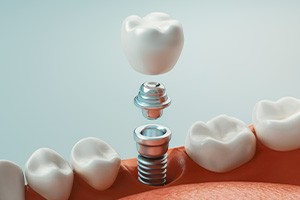
“Will it hurt?” This is the single most common and understandable question voiced by patients in Gorham, Westbrook, and Windham when considering dental implants. The fear of pain is a significant barrier, often rooted in outdated dental experiences or anxiety about oral surgery. This comprehensive guide exists to dismantle that barrier with transparency, evidence, and local context. We will provide you with a detailed, realistic roadmap of what to expect—from the moment you sit in the chair at a Gorham dental practice through every stage of healing. You’ll learn about the multi-layered pain control strategies used today, receive a clear day-by-day recovery guide tailored to life in Southern Maine, and understand how to distinguish normal healing from signs that need attention. Our goal is not to minimize the process but to empower you with knowledge, transforming anxiety into confident preparedness.
Modern implant dentistry prioritizes patient comfort. As noted in a Journal of Oral Implantology review, “Advances in local anesthetic techniques and sedation protocols have dramatically improved the patient experience during surgical dental procedures.” For Gorham-area residents, this means your comfort is engineered into the process. From the precise numbing of the surgical site to options for relaxation sedation, the procedure itself is designed for you to feel pressure, not pain. The recovery period, while requiring mindful aftercare, is typically described by patients as manageable soreness, not acute suffering. By understanding the process, preparing your home for recovery, and closely following your dentist’s instructions, you can navigate this journey toward a permanent, healthy smile with confidence and clarity.
Key Takeaways (TL;DR)
During the procedure, you should feel no sharp pain due to effective local anesthesia; sedation dentistry options like oral conscious sedation or nitrous oxide are available for anxiety in Gorham practices.
Post-operative discomfort is typically most noticeable in the first 72 hours and is often described as pressure or soreness, manageable with prescribed or over-the-counter medication.
Swelling and bruising peak around days 2-3 and are normal; consistent use of ice packs in the first 48 hours is crucial for control and comfort.
A soft-food diet and proper oral hygiene techniques are critical for comfortable healing and preventing complications like infection.
Knowing the signs of normal healing versus potential complications (like severe throbbing pain, fever, or pus) ensures you know when to contact your Gorham dentist promptly.
Let’s address the moment of surgery head-on. The placement of a dental implant is a precise, surgical procedure, but thanks to modern anesthetics and techniques, the experience is fundamentally different from the pain many patients fear. The cornerstone of comfort is local anesthesia. Before any surgical work begins, your Gorham dentist will thoroughly numb the entire treatment area—the gum tissue, the underlying jawbone, and the surrounding nerves. This is not a superficial numbing; it’s a deep, complete blockade designed to ensure you feel pressure and vibration from the instruments, but no sharp or cutting pain. Communication is key; you should always inform your provider if you feel any unexpected sensation so they can administer more anesthetic immediately.
Local Anesthesia: How It Works
The local anesthetic used (often a formulation like lidocaine with epinephrine) works by temporarily blocking the sodium channels in nerve fibers. This prevents the nerve from generating and transmitting pain signals to your brain. The addition of epinephrine constricts blood vessels, which prolongs the numbing effect and reduces bleeding at the surgical site for better visibility and precision.
For many patients, managing anxiety is just as important as managing physical sensation. This is where sedation dentistry becomes a valuable tool, widely available in Gorham and Cumberland County practices. Sedation is not general anesthesia (where you are unconscious); instead, it induces a deeply relaxed, calm, and often amnesiac state.
| Sedation Option | How It’s Administered | Patient Experience | Best For |
|---|---|---|---|
| Nitrous Oxide (“Laughing Gas”) | Inhaled through a nasal mask. | Creates a floating, relaxed feeling. Effects wear off within minutes after the mask is removed. | Mild to moderate anxiety; patients who need to drive themselves home. |
| Oral Conscious Sedation | A prescribed pill taken about an hour before the procedure. | Produces a state of deep relaxation or drowsiness. You remain responsive but may remember little of the appointment. | Moderate to high anxiety; patients who have a companion to drive them. |
The combination of profound local numbness and optional relaxation sedation means that for most patients, the procedure itself is a non-issue in terms of pain. The real focus shifts to the recovery period—a process that is predictable and manageable when you know what to expect, which we will detail in the following sections. Understanding these comfort controls is the first step in reframing the entire dental implant journey from a source of fear to a planned pathway toward better health.
Once you leave the dental office, the healing process begins. The initial 72 hours are the most critical for managing comfort and setting the stage for uneventful healing. Knowing what’s normal during this period eliminates surprise and empowers you to take the right actions. Discomfort is typically at its peak, but it is almost always described as a deep, bruise-like soreness or a feeling of pressure, not sharp pain, and it is highly manageable with a proactive approach.
| Timeline | What to Expect (Normal Signs) | Your Action Plan (What to Do) | What to Avoid |
|---|---|---|---|
| First 4-6 Hours | Numbness wearing off; slight oozing of blood; initial swelling begins. | Bite firmly on provided gauze for 30-60 mins; replace if bleeding continues. Begin icing the cheek (20 min on/20 min off). Take first dose of prescribed pain medication before numbness fully subsides. | Do NOT rinse, spit vigorously, or use a straw. Avoid hot foods/liquids. |
| Day 1 (24-48 Hours) | Swelling increases, often peaking on Day 2. Stiffness and moderate soreness are common. Bruising may appear. | Continue intermittent icing. Take medications as directed to stay ahead of pain. Consume only cool, nutrient-rich liquids & very soft foods (smoothies, yogurt, broth). Rest with your head elevated. | Avoid strenuous activity, bending over, or lifting heavy items. Do not probe the area with your tongue. |
| Day 2-3 (48-72 Hours) | Swelling peaks and then plateaus. Soreness persists but should be manageable with meds. Jaw opening may be limited. | Switch from ice to gentle, warm salt-water rinses (1/2 tsp salt in 8oz warm water) after meals to keep area clean. Gradually introduce warmer, soft foods (mashed potatoes, scrambled eggs). | Avoid chewing on the surgical side. Do not smoke, as it severely impedes healing and increases infection risk. |
Pro Tip from Gorham Dentists: The most common mistake is not using ice enough in the first 48 hours. Consistent icing is not just for comfort—it constricts blood vessels, dramatically reducing inflammation and swelling, which directly translates to less pain and faster healing. Consider using a flexible gel pack wrapped in a thin cloth for better conformity to your cheek.
Your diet during this phase is a key part of your medicine. Stick to cool, soft, and nutritious options. Protein shakes, Greek yogurt, pudding, and blended soups are excellent choices that provide energy without trauma to the surgical site. Hydration is crucial, but always drink from a glass—absolutely no straw use. The sucking action can create a negative pressure in your mouth that can dislodge the vital blood clot forming over the implant site, a painful complication known as a dry socket (though more common with extractions).
Remember, this initial phase is temporary and purposeful. The swelling and soreness are your body’s natural inflammatory response, initiating the repair process and sending cells to the area to begin the work of osseointegration—the biological fusion of bone to the implant post. By diligently following this 72-hour protocol, patients in Gorham, Standish, and Windham can effectively manage their comfort and lay a strong foundation for the weeks of healing to come.
After navigating the first three days, the recovery journey shifts from acute management to sustained healing. The external signs (swelling, bruising) begin to fade, while the most important process—osseointegration—happens silently beneath the surface. This week-by-week roadmap provides Gorham and Cumberland County patients with a clear, long-view perspective on what to expect as they return to daily life, helping to set realistic expectations for the full healing timeline.
| Week | Healing Milestones & What to Expect | Patient Care Instructions | Activity Level |
|---|---|---|---|
| Week 1 | Swelling and bruising subside significantly. Dissolvable stitches may begin to fade. Discomfort is minimal, often just tenderness to touch. | Transition to warm salt-water rinses 2-3 times daily. Begin very gentle brushing of other teeth, carefully avoiding the surgical site. Continue a soft diet as comfort allows. | Most patients return to work/school. Light walking is fine; avoid strenuous exercise, heavy lifting, or activities that could risk facial impact. |
| Weeks 2-4 | Gums are healing over the implant site. The underlying jawbone has begun the early stages of osseointegration. The area should feel mostly normal. | You may receive a soft temporary restoration (a “flipper” tooth) for aesthetics if the implant is in a visible area. Maintain excellent hygiene around the temporary. | Gradually resume moderate exercise. You can typically return to a near-normal diet, avoiding extremely hard or sticky foods directly on the implant site. |
| Months 1-3 | The bone cells (osteoblasts) are actively building a structural connection to the titanium implant surface. This is a critical, quiet period of biologic fusion. | Attend any scheduled follow-up appointments at your Gorham practice for monitoring. Continue to protect the area from excessive force. | Full activity resume, including regular exercise. Remain mindful of habits like chewing ice or hard candy. |
| Months 3-6+ | Osseointegration reaches sufficient strength to support the final tooth restoration. Your dentist confirms fusion via a gentle test or X-ray. | Final impressions are taken to craft your permanent, custom crown, bridge, or overdenture. This marks the transition from surgical healing to final restoration. | No restrictions once the final restoration is placed and you have fully acclimated to it. |
A key point for patients to understand is the difference between gum tissue healing and bone healing. The gums may look and feel healed within a couple of weeks, but the integration of the implant with the jawbone is a slower, biological event that cannot be rushed. This period requires patience and protection. As one Gorham-area oral surgeon notes, “The implant is like a new tree we’ve planted. For the first few months, we need to stake it and let its roots establish firmly in the soil before we subject it to strong winds. The ‘staking’ is our protective aftercare, and the ‘roots establishing’ is osseointegration.”
The Science of Osseointegration: Why It Takes Time
Osseointegration is a cascade of biological events. Initially, a blood clot forms around the implant. Within days, new blood vessels and immature bone (woven bone) begin to form. Over the following months, this woven bone is progressively remodeled into strong, organized lamellar bone that mechanically locks the implant in place. This biologic timeline is why the standard healing period before placing the final tooth is 3-6 months, ensuring long-term stability for your investment.
Following this roadmap helps ensure that the foundational work of the dental implant procedure is successful. By understanding that healing occurs in distinct stages, patients in Westbrook, Buxton, and Gorham can confidently progress through their recovery, knowing that temporary precautions lead to a permanent, stable result.
A smooth recovery is the goal, but being able to distinguish between normal post-operative sensations and signs of a potential complication is crucial for long-term success. This knowledge empowers patients in Gorham, Windham, and Scarborough to manage their recovery calmly and take appropriate action if needed. While your dental team will provide specific post-op instructions, this guide outlines the common signs that fall within the expected healing spectrum versus those that warrant a prompt call to your provider.
| Sign or Symptom | Normal Healing (Typical Duration) | Potential Red Flag (Action Required) |
|---|---|---|
| Pain & Discomfort | Dull ache, soreness, or throbbing that peaks within 72 hours and is improving with medication. | Severe, throbbing, or radiating pain that worsens after day 3-4 or is not controlled by prescribed medication. |
| Swelling | Moderate facial swelling that peaks at 48-72 hours and then gradually subsides. | Swelling that increases dramatically after the third day, feels hard or hot to the touch, or spreads to the neck. |
| Bleeding/Oozing | Minor pink or red-tinged saliva for the first 24-48 hours. | Active, persistent bright red bleeding that does not slow with gentle pressure after 1-2 hours. |
| Fever & Malaise | A very slight elevation in temperature (under 100.5°F/38°C) on the day of surgery is possible. | A fever over 101°F (38.3°C), chills, or a general feeling of being unwell, which can indicate infection. |
| Discharge & Taste | None, or minimal clear fluid. | Pus (yellow or white discharge) or a persistent foul taste or odor coming from the surgical site. |
| Numbness | Localized numbness from anesthesia lasting several hours. | Numbness, tingling, or loss of feeling in the lip, chin, or tongue that persists beyond 24 hours. |
🩺 When to Call Immediately
If you experience difficulty breathing or swallowing, or sudden, massive facial swelling, these are rare but serious signs of a severe allergic reaction or spreading infection. Seek emergency medical attention immediately.
The most common complication to be aware of is infection (peri-implantitis in its early stages). Signs like increasing pain, swelling, pus, and fever are your body’s alarm system. Another concern is premature disturbance of the implant site. As noted in post-operative guidelines, actions like using a straw, aggressive rinsing, or smoking can dislodge the protective clot or introduce bacteria, jeopardizing the delicate early stages of osseointegration.
A cornerstone of successful comprehensive dental care in Gorham is open communication. Your dental team expects and welcomes your calls with questions or concerns during recovery. “It is always better for a patient to call us with a false alarm than to wait on a real problem,” explains a local practitioner. “We can provide reassurance over the phone or have you come in for a quick check. Early intervention for a minor issue can prevent it from becoming a major setback.” Don’t hesitate to use the emergency contact number provided by your practice—it’s there for your safety and peace of mind.
By familiarizing yourself with these guidelines, you move from being a passive patient to an active, informed partner in your own healing process. This awareness ensures that your journey toward a completed dental implant remains on track, allowing you to focus on rest and recovery with confidence.
For many residents of Gorham, Buxton, and surrounding towns, the idea of dental surgery can trigger significant anxiety, independent of the actual physical pain. Recognizing this, modern implant dentistry offers a spectrum of sedation options designed to manage fear and create a calm, positive experience. These techniques are not about rendering you unconscious, but about altering your perception and response to the procedure, allowing you to receive the care you need in a state of profound relaxation.
| Sedation Type | Method of Delivery | Level of Consciousness | Patient Experience & Amnesia | After-Effects & Need for a Driver |
|---|---|---|---|---|
| Nitrous Oxide (“Laughing Gas”) | Inhaled through a nasal mask. | Fully conscious, responsive, and able to follow instructions. | Creates a pleasant, floating feeling and light euphoria. Anxiety dissipates. Minor amnesia effect. | Effects wear off within 5-10 minutes after mask removal. No driver needed. |
| Oral Conscious Sedation | A prescribed pill (e.g., Halcion, Valium) taken about an hour before the appointment. | Conscious but in a deeply relaxed, drowsy state (“twilight sedation”). May drift to sleep but are easily awakened. | High anxiolytic effect. Most patients recall little to nothing of the procedure, creating a time-lapse sensation. | Grogginess lasts for several hours. A responsible adult MUST drive you home and stay with you. Cannot operate machinery for 24 hrs. |
| IV Sedation | Medication delivered directly into the bloodstream via an intravenous line. | Deeper state of sedation than oral. Vitals are continuously monitored. Responsive to purposeful stimulation. | Fast-acting and dosage can be adjusted minute-by-minute for optimal comfort. Profound amnesia is typical. | Requires a longer recovery period post-op. A driver is mandatory. Provided by dentists with advanced anesthesia training. |
Choosing the right option is a collaborative decision made during your pre-implant consultation. Your Gorham dentist will consider the complexity of your procedure, your level of anxiety, your overall health history, and your personal preference. For a single implant placement, nitrous oxide combined with expert local anesthesia is often perfectly sufficient. For patients with high anxiety or those undergoing multiple implants or complex bone grafting, oral or IV sedation can transform a stressful ordeal into a peaceful experience.
Safety First: The Protocol for Sedation
Safety is paramount. For oral or IV sedation, you will receive pre-operative instructions, which include fasting (no food or drink for 6-8 hours prior). Your blood pressure, pulse, and oxygen levels are monitored throughout the procedure. Dentists offering these services have undergone rigorous additional training and maintain emergency preparedness protocols. Be prepared to provide a full list of your medications and medical history.
The availability of these options underscores a patient-centered philosophy in contemporary Gorham dental care. It acknowledges that successful treatment encompasses both the biological outcome and the emotional journey. As one patient from Westbrook shared, “I had put off implants for years because I was terrified. My dentist recommended oral sedation. I remember taking the pill, and then the next thing I knew, I was in the recovery room with my husband. It was over, and I felt no fear. It was the best decision for my mental well-being.”
By discussing sedation openly during your implant consultation, you take control of your experience. It allows you to approach the day of surgery not with dread, but with the assurance that your comfort—both physical and psychological—is a top priority for your care team.
Even with a detailed guide, specific questions always arise. Here, we answer some of the most common and pointed questions from Gorham, Windham, and Standish patients about the nuances of implant recovery, providing clear, actionable information to fill in any remaining gaps.
“What is the single worst day for pain after dental implants?”
For most patients, Day 2 or 3 post-surgery is typically the most noticeable for discomfort. This coincides with peak inflammatory swelling. Proactively managing this by taking pain medication on schedule (before pain spikes) and diligently using ice packs for the first 48 hours can make this peak much more manageable, often feeling like significant pressure or a deep bruise rather than acute pain.
“I’m only having one implant. Will my recovery be easier?”
Generally, yes. A single dental implant placement is a less invasive procedure than multiple placements or full-arch surgery. Swelling and discomfort are often more localized and subside slightly faster. However, the fundamental aftercare rules—ice, soft diet, hygiene, and protecting the clot—remain equally critical for the success of that one implant. Do not underestimate the importance of protocol just because the procedure was smaller.
“Can I go back to work the next day? What about my job in Portland?”
For a standard single implant, many Gorham patients working sedentary jobs feel fine returning to work after 1-2 days. If your job involves physical labor, talking constantly, or is high-stress, plan for 2-3 days off. For commuters to Portland or South Portland, consider the potential discomfort of the drive while on medication and the need for midday pain management. It’s often wise to take the day of surgery and the next full day off to rest uninterrupted, which can actually speed up healing.
“What pain medication will I be given? Can I just use ibuprofen?”
Your Gorham dentist will prescribe a medication regimen tailored to you. This often includes a prescription-strength anti-inflammatory (like a higher-dose ibuprofen) and sometimes a stronger analgesic for the first 24-48 hours. Ibuprofen (Advil/Motrin) is highly effective for implant pain because it reduces inflammation, which is the primary source of the pain. Always follow your dentist’s specific instructions and never take medication you are allergic to or that interacts with your other prescriptions.
“How long until I can finally eat a steak or an apple again?”
Patience is key. You should avoid direct, forceful chewing on the implant site for the entire healing period (3-6 months). Once your final crown is attached, you will need a short period to acclimate. Typically, within a month or two after the final restoration, you can gradually reintroduce all foods. The implant itself is incredibly strong, but the biological integration needs time to become load-bearing. When fully healed, your implant should allow you to eat virtually anything, including steak and apples, with confidence.
These FAQs highlight that while the recovery process is standardized in its principles, the individual experience can vary. The constant is the importance of following your specific post-operative instructions and maintaining open communication with your dental team. No question is too small when it comes to ensuring your comfort and the success of your implant treatment. If a concern isn’t covered here, your Gorham dentist is your best and most reliable resource.
A smooth recovery begins long before you leave the dental office. Proactive preparation is the single most effective way to manage your comfort and ensure a stress-free healing period at home. For patients in Gorham, Scarborough, and surrounding towns, a little planning can make a significant difference. Think of it as creating a “recovery station” in your home where everything you need is within easy reach, allowing you to rest and heal without unnecessary trips or discomfort.
| Category | Essential Items to Have Ready | Why It’s Important |
|---|---|---|
| Comfort & Medication | • Prescriptions filled in advance • Over-the-counter pain relievers (as approved by your dentist) • Multiple gel ice packs or bags of frozen peas • Soft cloth or towel for wrapping ice packs | Prevents a painful gap in medication. Ice packs are crucial for the first 48 hours to control swelling. Having several allows you to rotate them as they warm up. |
| Nutrition & Hydration | • A week’s worth of soft, nutritious foods (yogurt, applesauce, protein shakes, broth, mashed potatoes, scrambled eggs) • A blender or food processor • A reliable water bottle (no straw!) | Eliminates the need to cook or shop while you’re recovering. Proper nutrition fuels the healing process. A blender helps create smooth, easy-to-consume meals. |
| Oral Care | • New, soft-bristled toothbrush • Alcohol-free antimicrobial mouthwash (if recommended) • Salt for warm salt-water rinses | Maintaining hygiene in the non-surgical areas of your mouth is vital. A soft brush is gentle on tender tissues. Salt-water rinses promote healing. |
| Logistics & Comfort | • Pillows for propping yourself up to sleep • Entertainment (books, movies, podcasts) • Phone charger by your bed/chair • A trusted friend or family member to drive you if using sedation | Sleeping with your head elevated reduces swelling. Having distractions helps pass the time. Arranging transportation is mandatory for sedation safety. |
Beyond gathering supplies, consider your schedule. Block off time to rest. If you have young children in Gorham or a demanding job in Portland, arrange for help for at least the first two days. Clear your calendar of social obligations and strenuous activities. Inform your employer of your planned time off well in advance. This mental and logistical preparation reduces anxiety and allows you to give your body the undivided attention it needs to heal.
Local Insight: Maine Seasons and Your Recovery
Consider the time of year. If your surgery is during a humid Maine summer, ensure your recovery space is cool and comfortable. In winter, if your recovery involves a drive from Windham or Standish, ensure your vehicle is reliable and you have a clear, safe path from your home to the car to avoid slips or falls while you may be on medication. A little seasonal forethought adds an extra layer of safety and comfort.
Finally, write down your questions for your surgeon before the procedure. Having a clear understanding of what to expect eliminates last-minute surprises. A well-prepared patient is a calm patient, and a calm patient typically experiences a smoother recovery. By taking these steps, you are actively participating in the success of your dental care and investing in the best possible outcome for your new smile.
Remember, the recovery period is a temporary phase on the path to a permanent solution. The few days of mindful aftercare pave the way for decades of improved function, health, and confidence. By preparing thoroughly, you can navigate this brief chapter with ease and look forward to the long-term benefits of your dental implant.
The journey to replacing a missing tooth with a dental implant is a significant decision, but as this guide has detailed, the fear of pain should not be the deciding factor. For patients in Gorham, Westbrook, Windham, and across Southern Maine, modern dentistry offers a clear, predictable, and manageable path. From the multi-layered comfort controls during the procedure itself—powerful local anesthesia and tailored sedation options—to the step-by-step, week-by-week roadmap of recovery, you are equipped with the knowledge to replace anxiety with preparedness.
The recovery process, while requiring patience and mindful aftercare, is a temporary investment with a permanent payoff. By understanding what to expect in the first 72 hours, recognizing the signs of normal healing versus potential complications, and preparing your home and schedule in advance, you take an active role in ensuring your own comfort and the long-term success of your implant. The result is not just a replacement tooth, but a restoration of full chewing function, facial structure, and confidence that can last a lifetime.
Your next step is to use this information as a foundation for a detailed conversation with a qualified local provider. A consultation will translate this general knowledge into a personalized plan for your specific needs. To explore the full scope of the implant journey, from cost factors to comparison with other options, we invite you to read our comprehensive resource, Dental Implants in Gorham, ME: A Complete Guide to Tooth Replacement.
[ { “@context”: “https://schema.org”, “@type”: “Article”, “headline”: “Do Dental Implants Hurt? A Complete Guide to Pain Management & Recovery in Gorham, ME”, “description”: “A detailed guide answering ‘Do dental implants hurt?’ Covers pain management during surgery, a 72-hour recovery timeline, sedation options, and healing signs for Gorham, ME patients.”, “author”: { “@type”: “Organization”, “name”: “Morgan Dental Care”, “url”: “https://morgandentalcare.com/” }, “publisher”: { “@type”: “Organization”, “@id”: “https://morgandentalcare.com/#org”, “name”: “Morgan Dental Care”, “logo”: { “@type”: “ImageObject”, “url”: “https://morgandentalcare.com/wp-content/uploads/2024/05/morgan-dental-care-logo.png” } }, “datePublished”: “2026-01-10”, “dateModified”: “2026-01-10”, “mainEntityOfPage”: { “@type”: “WebPage”, “@id”: “https://morgandentalcare.com/do-dental-implants-hurt-recovery-gorham-me/” }, “about”: { “@id”: “https://morgandentalcare.com/#service-dental-implants” }, “isPartOf”: { “@type”: “CreativeWorkSeries”, “name”: “Dental Implants in Gorham, ME Guide”, “url”: “https://morgandentalcare.com/dental-implants-in-gorham-me-a-complete-guide-to-tooth-replacement/”, “mainEntity”: { “@id”: “https://morgandentalcare.com/dental-implants-in-gorham-me-a-complete-guide-to-tooth-replacement/#webpage” } }, “mentions”: [ “Pain Management”, “Recovery Timeline”, “Sedation Dentistry”, “Swelling”, “Infection”, “Osseointegration”, “Gorham Maine” ] }, { “@context”: “https://schema.org”, “@type”: “BreadcrumbList”, “@id”: “https://morgandentalcare.com/do-dental-implants-hurt-recovery-gorham-me/#breadcrumb”, “itemListElement”: [ { “@type”: “ListItem”, “position”: 1, “name”: “Home”, “item”: “https://morgandentalcare.com/” }, { “@type”: “ListItem”, “position”: 2, “name”: “Dental Implants Guide”, “item”: “https://morgandentalcare.com/dental-implants-in-gorham-me-a-complete-guide-to-tooth-replacement/” }, { “@type”: “ListItem”, “position”: 3, “name”: “Do Dental Implants Hurt?”, “item”: “https://morgandentalcare.com/do-dental-implants-hurt-recovery-gorham-me/” } ] }, { “@context”: “https://schema.org”, “@type”: “FAQPage”, “@id”: “https://morgandentalcare.com/do-dental-implants-hurt-recovery-gorham-me/#faqpage”, “mainEntity”: [ { “@type”: “Question”, “name”: “What is the worst day of pain after dental implants?”, “acceptedAnswer”: { “@type”: “Answer”, “text”: “Day 2 or 3 post-surgery is typically the most noticeable, as this is when swelling peaks. Proactive pain management with medication and icing makes this very manageable.” } }, { “@type”: “Question”, “name”: “Can I go back to work the day after implant surgery?”, “acceptedAnswer”: { “@type”: “Answer”, “text”: “Many patients return to sedentary work after 1-2 days. For physical jobs, plan for 2-3 days off to ensure proper rest and healing.” } }, { “@type”: “Question”, “name”: “What sedation options are available for anxious patients?”, “acceptedAnswer”: { “@type”: “Answer”, “text”: “Options include nitrous oxide (laughing gas), oral conscious sedation (a pill), and IV sedation. Your Gorham dentist will recommend the best option based on your anxiety level and health.” } } ] } ]